Spring in Tennessee and surrounding states signals the return of rising temperatures and increasing humidity. Before long, the intense summer heat settles in and your air conditioning systems shift from occasional use to operating nearly nonstop. Preparing your HVAC equipment during the spring months helps ensure your cooling systems are ready for the workload ahead.
Preventative maintenance allows technicians to inspect key components, clean internal parts and verify your system’s performance before the summer cooling season begins. These early service visits help reduce the likelihood of unexpected breakdowns and support consistent indoor comfort during the hottest months of the year.
For facility owners across the region, spring preparation is one of the most effective ways to ensure reliable cooling throughout the summer.
Why Spring Is the Ideal Time for HVAC Maintenance
Cooling systems across the mid-south face heavy demand during the summer. Long periods of high heat and humidity require air conditioning equipment to run longer and more frequently throughout the day.
Spring offers the ideal window to prepare your systems before peak demand pushes them to their limits. Equipment that has seen lighter use during the cooler months may develop small issues that affect your efficiency once temperatures rise.
A preventative maintenance visit during spring allows technicians to:
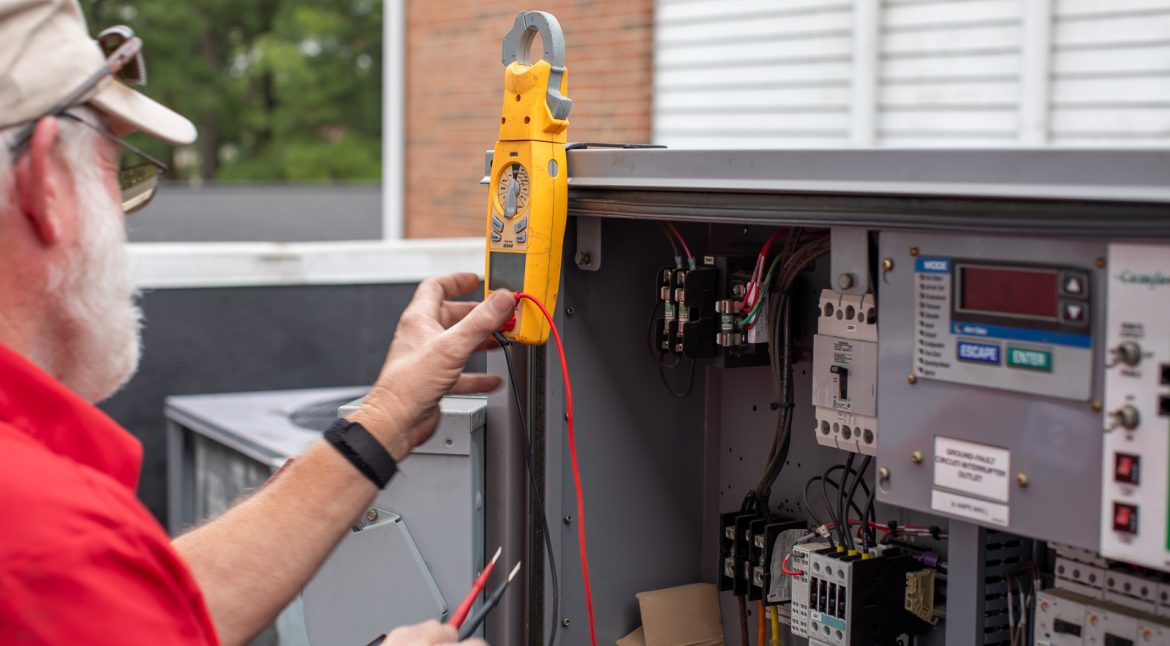
- Inspect electrical connections and safety controls
- Check refrigerant levels and pressure
- Clean system components that affect airflow and heat transfer
- Identify developing mechanical issues
Another benefit of scheduling maintenance early is availability. HVAC companies, like MSC, typically experience a surge in emergency calls once summer heat arrives. Preparing your systems in spring allows our technicians to perform repairs and adjustments before peak demand.
The Value of Preventative HVAC Maintenance
Air conditioning systems rely on a series of connected components that must operate under significant pressure. Over time, normal wear can affect how efficiently these parts perform.
Routine preventative maintenance helps maintain your system’s reliability while supporting long-term performance. Some of the most important benefits include:
- Improved energy efficiency: Clean coils, unrestricted airflow and properly adjusted components allow your system to cool more efficiently. This also can help reduce your monthly utility costs.
- Longer equipment lifespan: Preventative service reduces strain on critical components and helps extend the life of your system.
- Better indoor air quality: Replacing filters and cleaning system components helps reduce airborne dust and debris circulating through the building.
- More consistent cooling: Properly maintained systems tend to maintain balanced airflow and stable indoor temperatures.
Signs Your HVAC System May Need Attention
Even when your system appears to be operating normally, certain warning signs may indicate that you might need maintenance or repairs. Reduced airflow is one of the most noticeable indicators. Weak airflow from vents can signal clogged filters, duct restrictions or mechanical concerns inside the unit.
Uneven cooling throughout the building is another issue worth monitoring. Some rooms may feel comfortable while others remain warm. This can often point to airflow imbalance or thermostat concerns. Other signs you might notice include unusual sounds, a noticeable increase in energy bills and frequent system cycling.
What Happens During a Professional Maintenance Visit
A professional preventative maintenance visit from MSC involves a detailed inspection and service of the HVAC system. Our technicians examine both indoor and outdoor components to ensure your entire system is functioning properly. This service typically includes several critical tasks.
System Inspection
Our technicians evaluate your system’s core components to verify that all parts are operating safely and efficiently. This inspection includes reviewing electrical connections, safety controls and thermostat communication.
Component Cleaning
Dust and debris can build up inside your system over time. Cleaning these surfaces improves airflow and heat exchange which allows your system to operate more efficiently.
Performance Testing
Our skilled team tests your system to confirm that it is cooling effectively and circulating air properly throughout your building.
Each of these steps helps us ensure your system is ready to handle the demands of summer cooling.
Simple Maintenance Steps Property Owners Can Take
Professional HVAC service is important for thorough system care, but you can take several simple steps between maintenance visits to help support your HVAC’s performance.
Routine attention to your system helps maintain efficiency and reduce unnecessary strain.
Helpful maintenance practices include replacing air filters every one to three months, keeping outdoor condenser units clear of debris, checking thermostat settings periodically and ensuring vents remain unobstructed.
These simple actions maintain proper airflow and let your HVAC system operate as intended. Paying attention to unusual sounds or sudden changes in cooling performance also helps ensure we can address potential issues early.
Preparing Early Supports Reliable Summer Cooling
Scheduling preventative maintenance during the spring allows our technicians to evaluate HVAC systems before summer demand begins. When you clean, inspect and properly adjust systems, they stay better prepared to maintain consistent cooling throughout the season.
Spring service visits provide time to identify developing concerns and correct them before temperatures climb. This proactive approach helps you reduce the risk that equipment will fail when you need cooling systems most.
Schedule Preventative Maintenance Before Summer Arrives
Summer heat across the mid-south places continuous demand on air conditioning systems. Preparing your HVAC equipment in the spring helps ensure systems are ready to handle that workload.
With the right preparation in place cooling equipment can operate efficiently and deliver dependable comfort throughout the summer. Scheduling spring maintenance is a practical step that protects both system performance and long-term equipment reliability.
Contact us today to learn more about how we can help protect your mechanical systems.