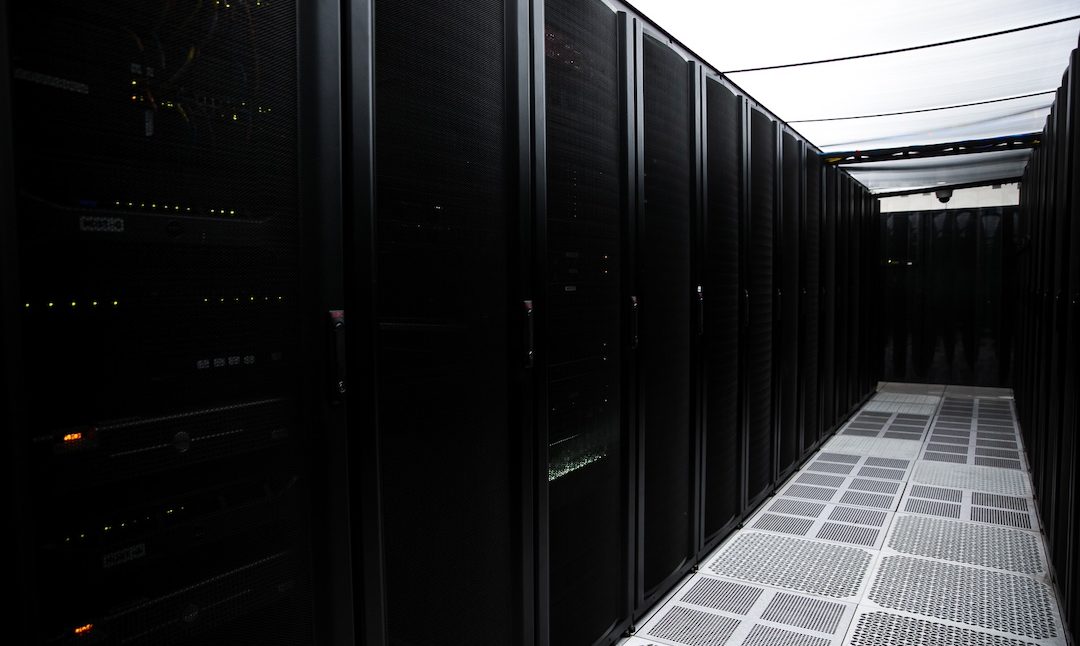
Data centers are no longer niche facilities. They power nearly every commercial enterprise today. And as the digital demand grows, so does the pressure on the facilities that support it.
Behind every server rack is a mechanical system. It manages heat, keeps systems running and protects millions of dollars in equipment. For owners and facility leaders, cooling infrastructure has now become operational risk management.
Mechanical Systems Company understands that data center HVAC and process piping systems need to be built with long-term reliability in mind. Today, these cooling systems require installation expertise, planning, coordination and disciplined execution.
The Mechanical Demands of Water-Cooled Data Centers
Modern data centers generate significant heat, especially in high-density environments. To manage these increased loads efficiently, many facilities rely on water-cooled systems supported by Cooling Distribution Units (CDUs) that transfer heat from server equipment into a chilled water system.
For building owners and facility managers, this means:
- Significant mechanical piping infrastructure
- Integration with existing chilled water plants
- High-capacity heat rejection systems
- Continuous, reliable performance
Why Engineering Clarity Matters Before Construction Begins
For owners and construction partners, one of the biggest risks in large mechanical projects is unclear scope. When bid documents are incomplete or poorly organized, contractors must interpret requirements differently. This often causes pricing differences and frustration when construction begins.
At MSC, we advocate for properly engineered drawings before construction begins, particularly in data center environments. Clear drawings and specifications protect owners from unexpected cost increases and create fair, comparable bids. They also reduce schedule delays, minimize change orders and improve coordination between the trades.
What Makes Data Center Mechanical Work Different
Mechanical systems in a data center are not the same as HVAC work in an office building.
Data center cooling systems typically involve:
- Extensive process piping serving multiple server racks
- CDU-based heat exchange systems
- Integration with chilled water plants
- Careful routing in high-density environments
- Strict cleanliness and organization standards
These projects require coordination with electrical contractors, IT teams, commissioning agents and facility managers. For architects and engineers, that means working with contractors who understand system intent. For facility managers, it means receiving infrastructure that supports long-term maintainability.
Strategic Material Selection in Uncertain Markets
Mechanical projects at this scale involve significant material volumes, particularly piping. In volatile markets, material prices can change fast. Specialty metals, in particular, may have short pricing windows and unpredictable lead times.
This introduces risk. Strategic material selection becomes an important part of project planning. In some cases, alternative materials can meet the same performance requirements while reducing cost exposure and improving procurement timelines.
Effective value engineering requires:
- Collaboration with engineers
- Verification that alternatives meet specifications
- Manufacturer input
- Transparency with owners
- Long-term performance considerations
When handled properly, material strategy can generate substantial cost savings—sometimes in the millions—without sacrificing system integrity. For energy managers and sustainability officers, this process also provides an opportunity to evaluate lifecycle durability, corrosion resistance and operational efficiency.
Procurement Strategy: Reducing Risk Before It Affects Schedule
When it comes to data center construction, procurement is as important as installation. High-capacity cooling systems need large amounts of piping and special components. If material availability is not confirmed early, schedule delays can quickly follow.
MSC prioritizes early supplier coordination and inventory verification before committing to schedules. By working directly with warehouse contacts and trusted suppliers, we help secure material availability and avoid last-minute surprises.
What It Takes to Deliver at Scale
Large-scale data center cooling projects require more:
- Physical labor
- Early design collaboration
- Clear documentation
- Strategic material evaluation
- Strong supplier relationships
- Organized field execution
- Careful integration with chilled water systems
- A commitment to uptime
At MSC, we approach data center HVAC and process piping projects with that mindset. We understand that commercial building owners need cost clarity and schedule confidence and that industrial facility managers need operational protection.
Mechanical infrastructure in a data center is foundational to everything that follows. When it is built correctly—planned carefully, sourced strategically and installed cleanly—it can support uninterrupted operations and long-term growth.