For many students, graduation comes with one big question: What comes next?
For years, college has been presented as the default path after high school. While earning a degree is the right choice for many people, it is not the only option that can lead to a successful future.
The skilled trades continue to offer strong career opportunities for individuals who want hands-on work, practical experience and a direct path into the workforce. As tuition costs rise and demand for skilled labor continues to grow, more students are taking a closer look at apprenticeship programs and careers in the trades.
Understanding the Skilled Trades
Skilled trades professionals help build and maintain the systems people rely on every day. From schools and hospitals to manufacturing facilities and commercial buildings, these careers play an important role in keeping communities running.
Careers in the trades can include:
- – HVAC
- – Plumbing
- – Pipefitting
- – Welding
- – Electrical work
- – Sheet metal
- – Mechanical construction
These industries require technical knowledge, problem-solving skills and hands-on experience. Many trades professionals build long-term careers with opportunities to advance into leadership or specialized roles over time.
Apprenticeship vs. College
Both college and apprenticeship programs can lead to rewarding careers. The difference often comes down to how individuals want to learn and what type of career path they want to pursue.
The Apprenticeship Path
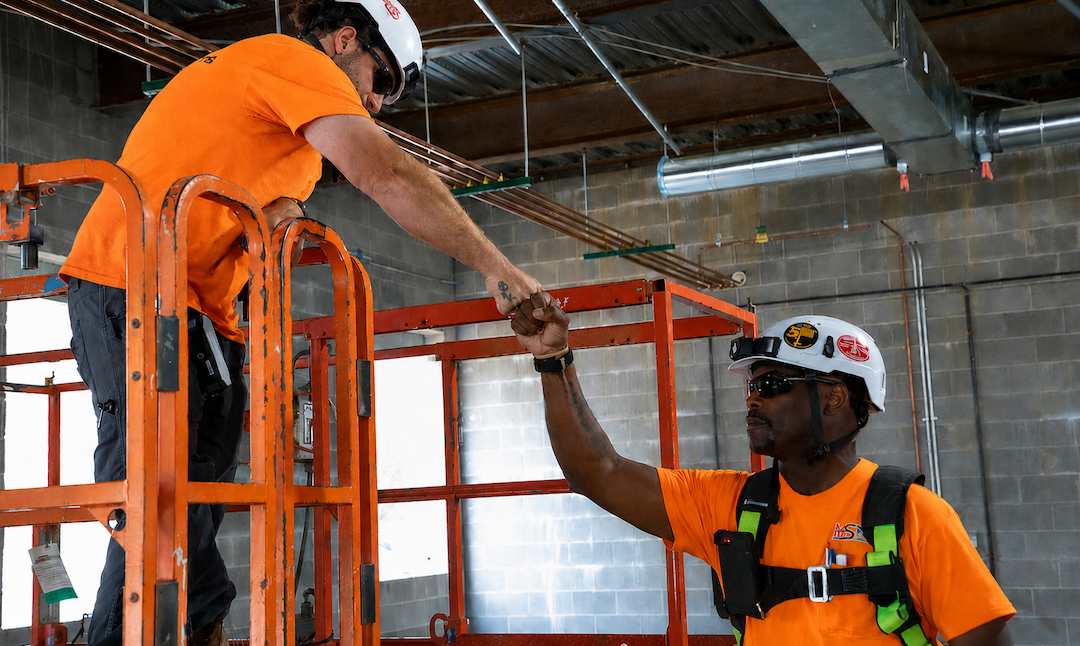
Apprenticeships combine paid on-the-job training with hands-on learning in the field. Apprentices work alongside experienced professionals while developing practical skills and gaining real-world experience.
Instead of paying tuition while learning, apprentices earn wages throughout their training.
For many individuals, that means:
- – Entering the workforce sooner
- – Building experience from day one
- – Developing industry knowledge in real job environments
- – Earning income while training
In many skilled trades programs, apprentices can start at approximately $18 to $30 per hour depending on the trade, location and experience level. Over four years, that can translate into an estimated $225,000 to $307,500 earned while gaining workforce experience at the same time.
By the time an apprenticeship program is completed, many individuals already have several years of workforce experience behind them.
With Mechanical Systems Company, individuals participating in MSC University are not charged tuition and are not required to sign a contract to participate. That means apprentices can continue learning and building experience without taking on student debt while earning a paycheck at the same time.
The College Path
College remains an important option for many professions and career goals. It can provide valuable education, networking opportunities and specialized training in certain fields.
At the same time, college often comes with significant financial commitments. Tuition, housing, books and student loans can create long-term debt before graduates begin their careers.
According to national averages, some students may accumulate approximately $90,000 in education-related costs and debt over four years depending on the school and living expenses. Many graduates then begin their careers while also managing student loan payments.
For some students, that investment makes sense. For others, a more hands-on career path may be a better fit.
Costs and Experience
One of the biggest differences between apprenticeships and college is the financial starting point after four years. Apprentices typically spend those years earning income and building experience in the field.
College students often spend those same years paying tuition and working toward a degree before entering the workforce full-time. That difference can shape how quickly individuals begin building savings, purchasing homes or planning for long-term financial goals.
Every career path is different and outcomes vary based on industry, location and individual goals. Still, many students and families are beginning to weigh the value of workforce experience alongside the cost of education.
Why Hands-On Experience Matters
Some people learn best by doing.
Working in the field allows apprentices to develop technical skills while solving real-world challenges alongside experienced professionals. Over time, that experience builds confidence, communication skills and a deeper understanding of the trade.
Hands-on learning also creates opportunities to see how large projects come together and how skilled trades professionals contribute to the success of every job site.
Career Opportunities in the Skilled Trades
Demand for skilled trades professionals continues to grow across the country. As infrastructure projects increase and experienced workers retire, companies throughout the construction and mechanical industries continue to look for the next generation of skilled workers.
For individuals willing to learn and work hard, the trades can provide:
- – Long-term career opportunities
- – Competitive pay
- – Career advancement potential
- – Opportunities to specialize in different areas of the industry
- – Stable, meaningful work
Building a Career at Mechanical Systems Company
At Mechanical Systems Company, we believe strong industries are built by strong people. That is why we support apprenticeship opportunities that help individuals gain experience, develop technical skills and build long-term careers in the mechanical construction industry.
Apprentices work alongside experienced professionals in real job environments while learning the responsibilities and expectations that come with the trade. Through mentorship, training and hands-on experience, individuals have the opportunity to grow their skills and prepare for future opportunities in the field.
Choosing the Right Path
Success looks different for everyone. For some students, college is the right next step. For others, the skilled trades offer a direct path toward valuable experience and steady income.
Exploring all available options gives students and families the opportunity to make informed decisions about the future. As the demand for skilled trades professionals continues to grow, apprenticeship programs remain an important pathway for the next generation entering the workforce.
Still have questions? Feel free to contact our team at Mechanical Systems Company today for more information on our apprenticeship program.
Estimated earnings and education costs referenced are general industry averages and may vary based on program, location and career path.